7 Signs You've Outgrown Your Current IT Support
As your business grows, your technology needs evolve too.
The IT support that worked when you had five employees may no longer be enough when your team has doubled, your systems have become more complex, or cybersecurity threats have increased.
Many businesses don’t realize they’ve outgrown their IT support until recurring issues begin affecting productivity, customer service, or security.
If any of the following signs sound familiar, it may be time to reassess whether your current IT support is helping your business move forward or holding it back.
1. You’re Constantly Dealing with the Same IT Problems
Does it feel like the same technology issues keep coming back?
Whether it’s slow computers, unreliable Wi-Fi, recurring printer problems, or software errors, repeatedly fixing the same issues is a sign that the root cause isn’t being addressed.
Effective IT support focuses on preventing problems, not just resolving them after they occur.
2. Technology Downtime Is Becoming “Normal”
Every minute your systems are unavailable can impact productivity, customer service, and revenue.
If employees regularly experience:
- Network outages
- Email disruptions
- Slow computers
- Server issues
- Software crashes
your business is losing valuable time.
Reliable IT support should help minimize downtime through proactive monitoring and preventative maintenance.
3. Your Business Has Grown, but Your IT Strategy Hasn’t
Growth is exciting but it also creates new technology challenges.
As businesses expand, they often add:
- More employees
- Additional devices
- New software
- Remote workers
- Cloud applications
Without a scalable IT strategy, technology can quickly become difficult to manage.
Your IT support should grow alongside your business.
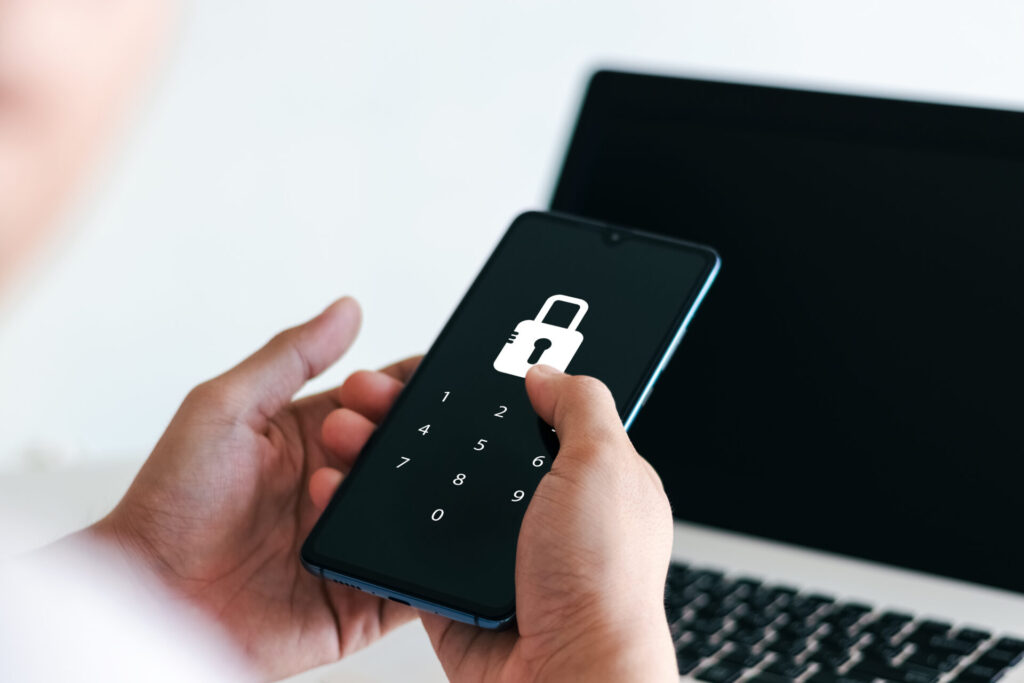
4. Cybersecurity Has Become a Growing Concern
Cyber threats continue to evolve, and businesses of every size are potential targets.
If you’re unsure whether your systems are properly protected, or you’re relying on outdated security practices, it’s time to take a closer look.
Modern IT support should include guidance on:
- Multi-Factor Authentication (MFA)
- Data backups
- Endpoint protection
- Employee cybersecurity awareness
- Security updates
- Microsoft 365 security
Strong cybersecurity isn’t just about protecting data—it’s about protecting your business.
5. IT Costs Are Unpredictable
Unexpected repair bills and emergency service calls can make it difficult to manage your technology budget.
If you’re only paying for IT support when something breaks, expenses can quickly add up.
Many businesses benefit from a proactive support model that provides predictable monthly costs while helping reduce expensive emergencies.
6. Your IT Provider Only Fixes Problems – They Don’t Help You Plan
Technology should support your business goals as you grow. A trusted IT partner should help you answer questions like:
- Is our technology ready for future growth?
- Should we move more services to the cloud?
- Are we using Microsoft 365 effectively?
- How can AI improve productivity?
- Are we investing in the right technology?
Strategic guidance helps ensure your technology supports long-term success.
7. You’re Spending Too Much Time Managing Technology Yourself
As a business owner or manager, your focus should be on running your business, not troubleshooting computers or coordinating IT issues.
If you’re spending valuable time:
- Resetting passwords
- Managing software updates
- Troubleshooting devices
- Following up on support requests
- Coordinating multiple technology vendors
it may be time for more comprehensive IT support.
The right IT partner allows you to focus on your customers while they focus on your technology.
When Is It Time to Make a Change?
Technology should help your business become more productive, secure, and efficient – not create unnecessary frustration.
If several of these signs sound familiar, it may be worth evaluating whether your current IT support is meeting your business’s needs today and preparing you for tomorrow.
Partnering with an experienced IT provider can help reduce downtime, strengthen cybersecurity, improve efficiency, and give you confidence that your technology is supporting your business goals.